
News
An integrative ecological study of a sentinel species in the Antarctic environment, the Adélie penguin
The ADELIE-ECO project (1323) aims to develop and test new bio-logging and ecophysiogical tools to better assess and understand the impact of […]
 Read more
Coping with environmental change in king penguins: physiological and behavioral adaptations and limits
The earth’s environment is changing at an unprecedented rate and the effects of global change are even stronger in what […]
Read more
A potential 2 millions year old ice core site
This project aims at characterizing the North Patch area, situated at ~10 km from the Concordia station and which potentially hosts 2 million years ice […]
Read more
Subantarctic biodiversity, effects of climate change and biological invasions on terrestrial biota
The sub-Antarctic islands are amongst the most isolated islands from any continental landmass and contain a large part of the limited […]
Read more
Life cycle of Southern Elephant seals: phenotypic variability in their adaptations to environmental constraints and deep diving
Climate and environmental changes influence the dynamics and structure of marine ecosystems, which affect the distribution and the abundance of […]
Read more
Fiducial Reference Measurements (FRM) for Sentinel-3 land altimetry
Knowing that Antarctic ice loss could contribute up to 30 cm to sea level rise by 2100, assessing Antarctic mass balance, […]
Read more
Archaeological Project from Saint-Pierre-et-Miquelon
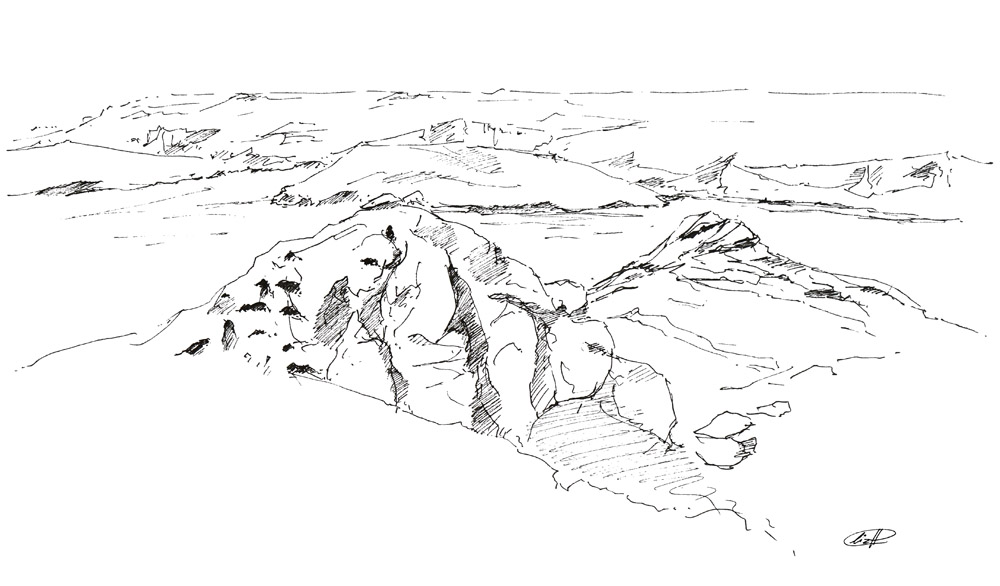
At the northern end of the island of Saint-Pierre (Saint-Pierre-and-Miquelon), the coastal habitat of Anse-à-Henry is immediately notable for the […]
Read more
Reconstructing Innuitian ice sheet dynamics from subglacial drainage morphology and distribution
Glacial hydrology is one of the main controls of glacial sliding rates, on itself a key factor to estimate glacial […]
Read more
The Role of Microbial Dormancy as an Ecological and Biogeochemical Regulator on Earth
Microbes drive and regulate virtually all major elemental cycles on Earth, impacting global redox and climate. We think that microbial […]
Read more

Prokaryote-phytoplankton interactions in Antarctic ice sheet melting environments: the key role of iron
The accelerated melting of the Antarctic ice sheet due to global warming profoundly influences adjacent marine ecosystems. The delivery of […]
Read more
Investigating mantle-to-crust transfer processes of critical metals and volatiles at Kerguelen
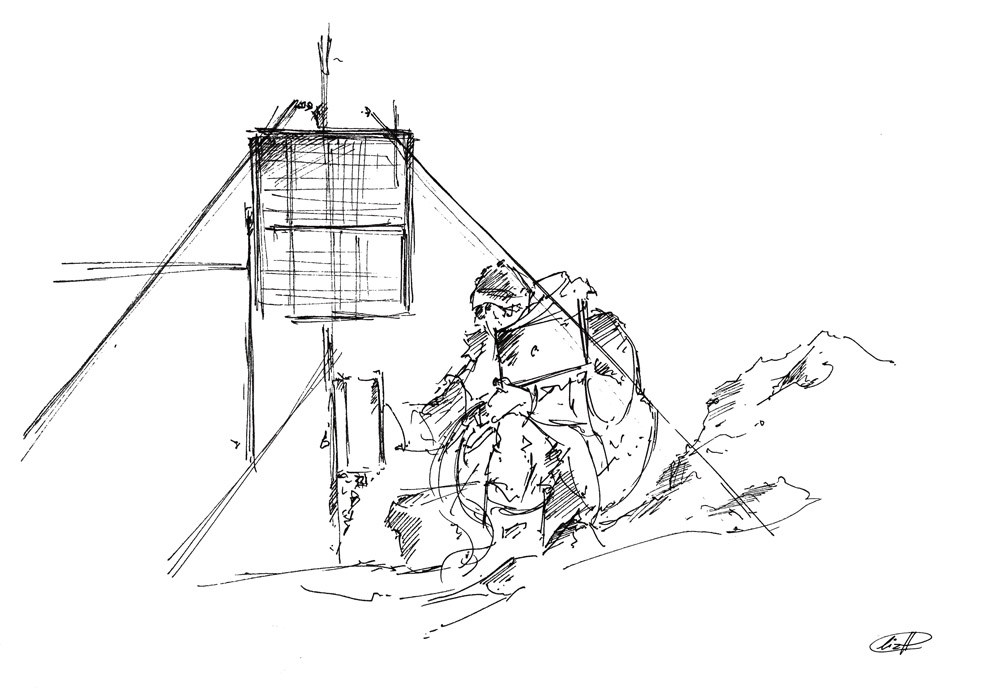
Platinum-group elements (PGE) and rare-earth element (REE) are essential resources for energy transition technologies and sustainable development. They are classified as critical […]
Read more
Austral Seals Observatory: National Observing System: Mammals as Ocean Samplers and Long Term Ecology and Evolution Monitoring. Southern Ocean Seal Observatory
The Austral Seals Observatory (ASO) is implemented since 2004. The ASO has two components the SNO-MEMO and the SEE-Life Elephant Seal Observatory (SEE-Life-ESO) […]
Read more